


Shipping Policies for Collectibles: Memorabilia Shipping Policies You Need to Know

Shipping collectibles is tricky. These items are often rare, fragile, and valuable. I have learned that clear shipping policies protect both sellers and buyers. They ensure items arrive safely and on time. Let me share what I know about memorabilia shipping policies. This guide will help you ship your collectibles with confidence.
Understanding Memorabilia Shipping Policies
Memorabilia shipping policies set the rules for how collectibles are packed, shipped, and delivered. These policies cover packaging materials, shipping methods, insurance, and delivery times. They also explain how to handle lost or damaged items.
Good policies are clear and simple. They tell you what to expect. For example, a policy might say:
All items ship within 2 business days.
Fragile items get bubble wrap and sturdy boxes.
Insurance covers the full value of the collectible.
Tracking numbers are provided for every shipment.
These rules protect your collectibles. They reduce the risk of damage. They also build trust between buyers and sellers. When you buy or sell sports cards or memorabilia, check the shipping policy first. It can save you headaches later.
Key Elements of Effective Memorabilia Shipping Policies
A strong shipping policy covers several key points. Here’s what I always look for or include:
1. Packaging Standards
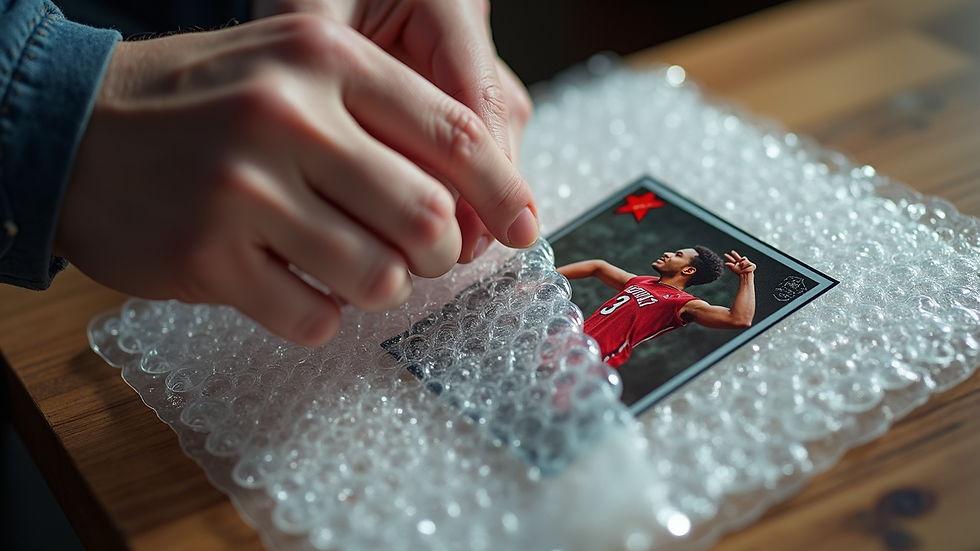
Collectibles need special care. Use acid-free sleeves for cards. Use bubble wrap or foam for fragile items. Use sturdy boxes that won’t crush. Label packages as fragile if needed.
2. Shipping Methods
Choose reliable carriers. USPS, FedEx, and UPS are common. Offer options like standard, expedited, or overnight shipping. Let buyers choose based on their needs.
3. Insurance and Liability
Always insure valuable items. Insurance protects against loss or damage. State clearly who pays for insurance. Usually, sellers cover it for high-value items.
4. Tracking and Confirmation
Provide tracking numbers. This keeps buyers informed. Require signature confirmation for expensive shipments. It adds security.
5. Handling Delays and Issues
Explain what happens if shipping is delayed. Offer refunds or replacements if items are lost or damaged. Clear policies reduce disputes.
6. Shipping Costs
Be upfront about shipping fees. Include handling charges if any. Consider offering free shipping for orders over a certain amount.
These elements make shipping smooth. They protect your collectibles and your reputation.
What is international and domestic shipping?
Shipping collectibles can mean sending items within your country or across borders. Domestic shipping is sending packages inside the same country. International shipping means sending items to another country.
Domestic shipping is usually faster and cheaper. It has fewer customs rules. International shipping takes longer. It costs more. It also requires customs forms and may have import taxes.
For example, sending a signed baseball card from New York to California is domestic shipping. Sending that same card to a collector in Canada is international shipping.
Both types need careful packaging and insurance. But international shipping needs extra paperwork. You must declare the item’s value and description. You may also need to check import restrictions for collectibles.
If you want to learn more about domestic and international shipping, check out this helpful resource.

Tips for Shipping Collectibles Safely
I have shipped many collectibles. Here are my best tips to keep your items safe:
Use quality packaging. Don’t skimp on materials. Use bubble wrap, foam peanuts, and strong boxes.
Double-box fragile items. Put the item in a small box, then place that box inside a larger one with padding.
Seal packages well. Use strong packing tape on all seams.
Label packages clearly. Mark fragile items and include “This Side Up” if needed.
Choose the right carrier. Some carriers handle collectibles better than others.
Insure valuable items. Always buy insurance for expensive collectibles.
Provide tracking and signature confirmation. This helps avoid lost packages.
Communicate with buyers. Let them know when the item ships and provide tracking info.
Keep records. Save receipts, tracking numbers, and photos of the packed item.
Following these tips reduces risk. It also builds trust with buyers and collectors.
Handling Returns and Damages in Shipping Policies
No matter how careful you are, problems happen. Items can get lost or damaged. Your shipping policy should explain how you handle these cases.
Here’s what to include:
Return window. How long buyers have to report damage or request a return.
Condition for returns. Items must be returned in original condition and packaging.
Who pays return shipping. Usually, the seller pays if the item is damaged or lost.
Refund or replacement. State if you offer refunds, replacements, or store credit.
Claim process. Explain how to file a claim with the carrier and with you.
Clear return and damage policies protect you and your buyers. They reduce disputes and keep your business running smoothly.
Why Clear Shipping Policies Matter for Collectibles
Clear shipping policies build trust. Collectors want to know their items will arrive safely. They want to know what happens if something goes wrong.
Good policies also save time. They reduce questions and complaints. They make your shipping process efficient.
For Randy’s Vault, clear memorabilia shipping policies are key. We want collectors to feel confident buying and selling. We want to protect rare sports cards and memorabilia. We want to build a community where collectors trade and grow.
If you ship collectibles, write clear policies. Share them openly. Update them as needed. Your customers will thank you.
Shipping collectibles is a serious business. It needs care, clarity, and trust. Follow these tips and policies. Protect your items. Build your reputation. Ship smart and ship safe!


Comments